

For the last couple of years, artificial intelligence has been discussed in extremes. It is either the harbinger of a productivity utopia or the thief of human artistic soul. As an advertiser, you know that when a product becomes polarizing, the brand must find a way to “normalize” it. OpenAI’s latest campaign does exactly that. By stepping away from the sleek, minimalist aesthetic of Silicon Valley, they have created a brand identity that feels less like a cold processor and more like a warm companion.
The Irony of Analog
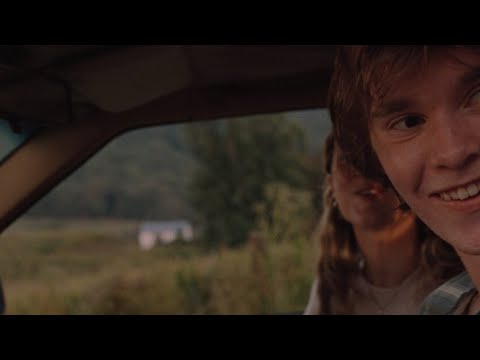
The most striking element of this campaign is the medium. In an era where we can generate 4K video with a text prompt, OpenAI chose to shoot their flagship commercials on 35mm film. This wasn’t an accident or a nostalgic whim. It was a calculated brand move.
By using film—a medium known for its grain, imperfection, and tactile “soul”—OpenAI is visually arguing that their technology belongs in the physical, messy world of humans. The cinematography, directed by Miles Jay, uses custom lenses to capture “slice-of-life” moments: a young man prepping a first date dinner, siblings planning a trip, a woman hitting a fitness milestone. The goal is clear: to position ChatGPT not as a replacement for human effort, but as the invisible wind beneath its wings.


From Spectacle to Utility
This new campaign marks that transition. The commercials don’t feature talking robots or futuristic interfaces. Instead, the “ChatGPT” element is almost an afterthought—a prompt that appears on screen like movie credits at the end of a scene. This “quiet confidence,” as OpenAI executive creative director Zach Stubenvoll calls it, suggests that the tool is already a part of our lives. It’s the difference between showing off a new car and showing the beautiful places that car can take you.
The “Co-Creator” Strategy
What makes this campaign a fascinating case study for agency folk is how it was actually made. While the final output is high-end human craft, the process was a hybrid. OpenAI worked with the indie agency Isle of Any (founded by former Droga5 heavyweights) and treated ChatGPT as a member of the creative team.
The AI helped brainstorm characters, organize shot lists, and manage production schedules. This is a brilliant bit of “meta-marketing.” By using the tool to create the ad about the tool, OpenAI proves its own value proposition to the very industry that fears it most. They are showing that AI doesn’t have to kill the “Big Idea”; it can just handle the heavy lifting of the “Big Execution.”


Out-of-Home: The Power of the Frame
The campaign’s Out-of-Home (OOH) component is equally sophisticated in its simplicity. We see documentary-style photography by Samuel Bradley—people laughing on steps, leaning over car bonnets, or working out. These images are framed by the iconic ChatGPT logo, but with very little text.
In advertising, the “white space” is often where the magic happens. By leaving the images open-ended, OpenAI invites the viewer to fill in the blanks. They aren’t telling you how to use the tool; they are showing you a relatable human moment and asking, “How could we help you here?” It’s an invitation rather than an instruction manual.


SEO, Sentiment, and the Future of AI Branding
From an SEO and brand sentiment perspective, this campaign is a defensive masterstroke. By flooding the cultural conversation with images of “humanity” and “craft,” OpenAI is actively tilting the search intent and public perception away from “AI vs. Human” and toward “AI + Human.”
As advertisers, we are watching the birth of a new category of “lifestyle tech.” Just as Apple moved from selling computers to selling a “Think Different” lifestyle, OpenAI is moving from selling LLMs to selling “Everyday Magic.” They are anchoring their brand in the things that don’t change—our desire to learn, to connect, and to achieve—while providing the engine for the things that do.
The takeaway for brands is simple: the more advanced your technology, the more human your marketing needs to be. If you want people to trust the algorithm, you have to show them the heart behind the code. OpenAI has officially moved past the “wow” factor and into the “how” factor, and in doing so, they’ve set a new standard for how AI will be marketed for the next decade.
Whether you’re a creative director or a small business owner, the lesson is the same: technology is the tool, but humanity is—and always will be—the story.
